Salute
THE OGM REPRESENT APPROXIMATELY 4% OF THE USEFUL AGRICULTURAL SURFACE. THE WORLD HEALTH ORGANIZATION ASKS CAUTION
Ogm are a benefit but also are a potential risk for our health. In a recent, along and articulated relationship on the Ogm foods the international Authority has been expressed on many points. Particular importance comes given to the effects in along period of geniuses that are not never enter to you in the alimentary cycle before. There are but also cultural implications and ethics
25 giugno 2005 | T N
In the report "Modern food biotechnology, human health and development" published 23 june 2005, the World Health Organization (WHO) have expressed its authoritative opinion respect to the Ogm. If the international Authority cannot disown the role that the Ogm could have in future, in a planet of six billions of inhabitants, of other song it induces caution and advances also doubts on the healthy of these alimentary commodities. It is moreover before the time that the World Health Organization is expressed also on the ethical and cultural value.
For this reason the report emphasizes the necessity of continuous and deepened appraisals on the emergency of the organisms genetically modified before that they are introduced is on the table is in the environment. If they are undeniable the assets of the Ogm, which increases of productivity of the harvests, upgrades them minor use of herbicides and similar and increases the agricoltural diversity in some zones, it is also true that some of the used geniuses in order to produce the alimony genetically modified have not been never introduced in the alimentary cycle before. Consequently, the effects on the human health of these new alimony would have to be estimated with cure before their breaking in commerce, comprised the precious controls in the long term that they must demonstrate the harmless also after a constant assumption for some years.
Many Countries have introduced control systems and monitoring of the healthy effects and acclimatize them of the organisms genetically modified and the World Health Organization asserts that all the Ogm I am diffused on the market are sure. In fact, it explains the reprt, the alimony genetically modified is quite more controls you than those traditional ones regarding the healthy and environmental impacts. At the moment, it has not been finds cases for which the consumption of the alimony gm caused some effects denied on the health.
There are however also other aspects to consider.
In fact normally we do not consider the social repercussions, cultural and ethics of the introduction of cultivations to biotechnological alimony in areas where technical-scientific deficits causes mistrust and resistances.
The World Health Organization, united to the FAO, is proposed therefore to help some nations, to assist them in those processes of control and verification that must precede the authorization to the cultivation of Ogm.
In the conclusions WHO separates the benefits for the seeds producers and the agriculturists from those for the society. In particular the problems on the biodiversity, beyond to the effects of along period of the organisms genetically modified must still be analyzed.
In the meantime the first biotechnological food it has been introduced on the market in 1990. From that moment, many other Ogm: maizes, soie, ravizzone and cotton have been commercialize to you in the world. In more, also new biotechnological varieties of papaia, potato, rice, sugar beet and tomato have been authorized in some Nations. The production of Ogm is increased meaningfully during the last decade and even if the greater part of this production is concentrated in little Countries, in the end of 2004 the organisms genetically modified will have occupied nearly 4% of the useful agrarian surface.
Origin: WHO
Potrebbero interessarti
Salute
Dieta chetogenica, effetti opposti nell’intestino: più tumori nel tenue, meno nel colon

Una dieta ricca di grassi e povera di carboidrati può favorire la formazione di tumori nell’intestino tenue, mentre nel colon esercita un effetto protettivo. Il meccanismo sembra dipendere dal metabolismo degli acidi grassi
10 ottobre 2026 | 12:00
Salute
Olio d'oliva come carrier probiotico: il lievito Saccharomyces boulardii sopravvive 90 giorni senza compromettere la qualità
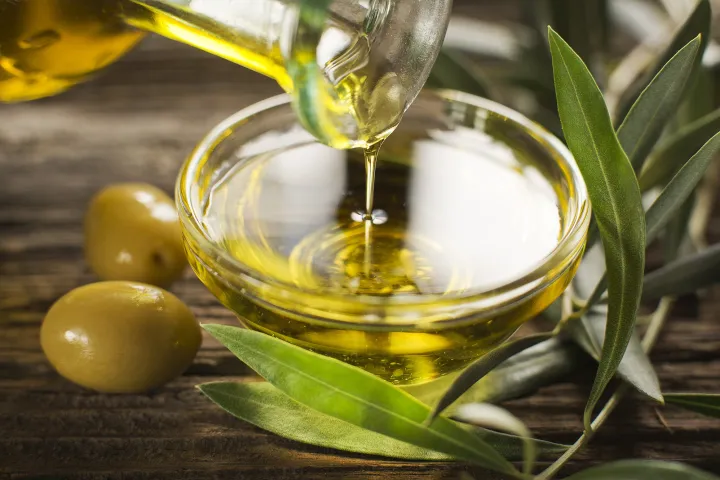
L'olio d'oliva vergine, in particolare quello non filtrato, può ospitare il lievito probiotico Saccharomyces boulardii per almeno tre mesi di conservazione, mantenendo cariche microbiche compatibili con i requisiti dei prodotti probiotici e senza alterare i parametri chimico-fisici previsti dalla normativa
09 ottobre 2026 | 10:00
Salute
I gelsi sono un frutto antico che guarda al futuro del microbiota
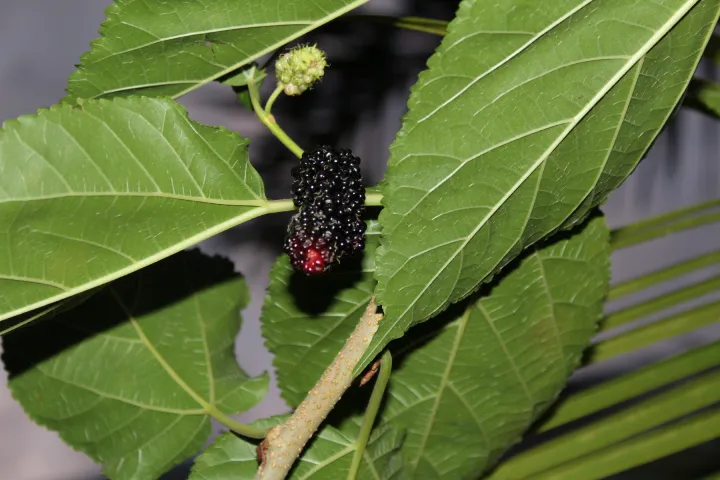
Dal gelso bianco al gelso nero, foglie e frutti contengono polifenoli, polisaccaridi e altri composti bioattivi che potrebbero interagire con il microbiota intestinale. Le prime evidenze, soprattutto da studi in vitro e su animali, sono interessanti per metabolismo glucidico e lipidico
08 ottobre 2026 | 14:00
Salute
Con la dieta MIND il cervello potrebbe invecchiare più lentamente
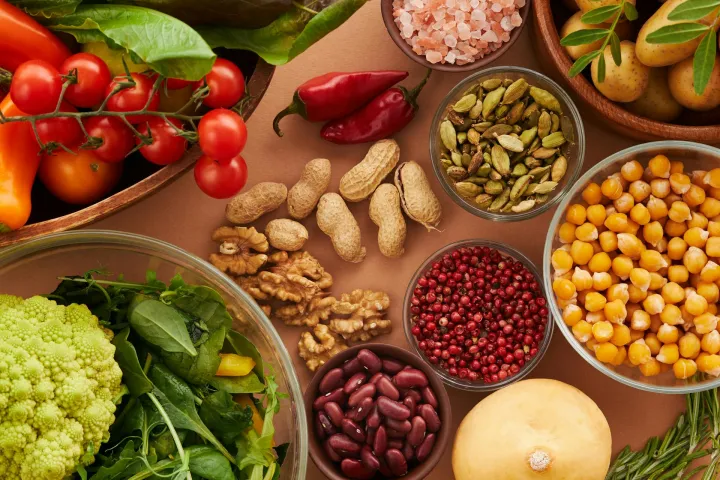
Un ampio studio condotto su oltre 1.600 adulti seguiti per circa 12 anni associa una maggiore adesione alla dieta MIND a una minore perdita di tessuto cerebrale, soprattutto di materia grigia. Ma i risultati, di natura osservazionale, non dimostrano un rapporto di causa-effetto
07 ottobre 2026 | 15:00
Salute
La cottura ideale per i prodotti vegetali, ecco cosa devi sapere

Cuocere le polpette vegetali con olio extravergine d'oliva e cotture "dolci" come forno e friggitrice ad aria migliora il profilo lipidico e antiossidante, senza sacrificare gusto e accettabilità. La frittura tradizionale, invece, fa assorbire fino al 75% di grassi in più
06 ottobre 2026 | 13:00
Salute
Olio extravergine d'oliva ed esercizio fisico: otto settimane possono migliorare alcuni biomarcatori cardiometabolici
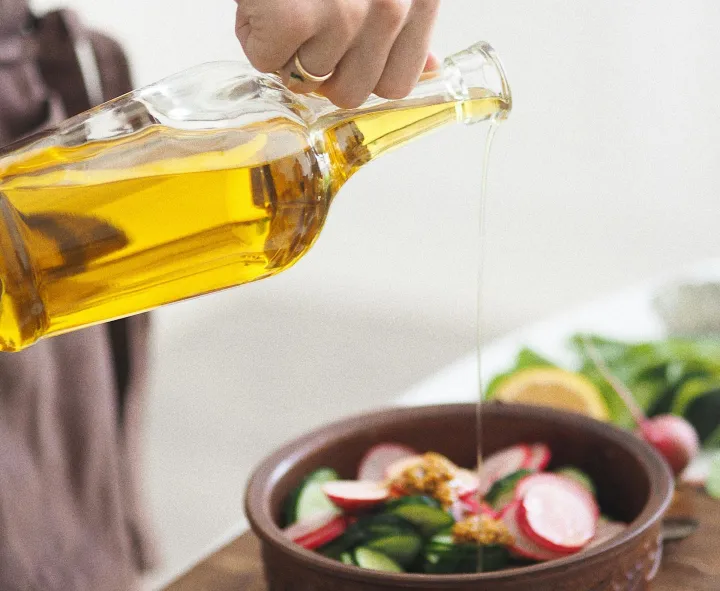
Uno studio condotto su uomini sedentari in sovrappeso suggerisce che l'integrazione con olio extravergine di oliva durante un programma di allenamento può modulare alcuni marcatori dell'infiammazione, dello stress ossidativo e della salute cardiovascolare
06 ottobre 2026 | 11:00