L'arca olearia
THE ARGAN TREE AND THE ARGAN OIL
The Argan tree it is a tree which can live up to 200 years. The Argan Oil it is consumable oil, dietetic and used in traditional medicine for its many virtues
19 novembre 2007 | T N
The Argan tree
The Argan (Argania spinosa (L.) Skeels) is a endemic tree in Morocco, where it constitutes the second forest essence of the country, after the holm oak and right before the thuja. It is a tree which can live up to 200 years. The forest of argan trees extends on approximately 750000 ha, in the triangle formed by Essaouira, Agadir and Taroudant. This tree of the family of the Sapotacées, is particularly resistant to the dry and arid conditions of this area. It can indeed tolerate temperatures going from 3 up to 50°C, and be satisfied with a
very weak pluviometry. Survivor of the tertiary era, his extreme heat strength, with the dryness, allowed him to adapt to the poorest ground.
The argan pushes in a wild manner and in abundance in the arid and semi-arid regions of south-west of Morocco, where it plays an irreplaceable part in ecological balance and the safeguarding of biodiversity.
Thanks to its powerful system racinaire, it contributes to the maintenance of the ground and makes it possible to fight against the hydrous erosion and wind mill which threaten of turning into a desert a good part of the area. The argan has a great economic interest because it is a multi-purpose tree. Each part of the tree is usable and it is a food or source of income for the user. The argan tree ensures the subsistence of a around 3 million people including 2.2 million in rural areas. The various productions of the argan tree provide more
than 20 million working days including 7.5 million of primarily female days for the only extraction of the argan oil.
Thus, the argan tree plays a socio-economic and environmental role of first importance in these geographical areas. Its particular legislative statute (Dahir of March 4, 1925 and specifications relating to the agricultural
practices under the argan of July 20, 1983) regulates a national forest of which the right of user dedicated to the local populations is very wide: right of gathering the fruits and wood collecting of domestic use, right of free course.
Unfortunately, victim of its richness as well as of the evolution of the rural way of life and the climate, the argan tree is weakened. Its agricultural overexploitation, the erosion of the grounds, the extension of the desert, the clearing of the trees and their substitution by intensive cultures, are some of the many aggressions suffered by this unique inheritance. In less than one century, more than half of the forest disappeared and its average density passed from 100 to 30 trees by ha.
The importance to protect the argan tree became a key issue for local authorities but also for international authorities. Many initiatives were born to preserve and develop the argan tree and to stop its regression.
The UNESCO and the Moroccan State classified the Moroccan argan tree as Reservation of Biosphere (RBA) in 1998.
In order to change this tendency, a programme of study of the argan and argan tree, in which the ecological and economic concerns were closely associated, was undertaken by the Moroccan government, some foreign
governments and many non-governmental organizations.
Argan Oil
The Argan Oil is the principal product of the argan tree. It is consumable oil, dietetic and used in traditional medicine for its many virtues.
The extraction of the Argan oil is accomplished according to an ancestral know-how reserved to women of the argan tree and transmitted from generation to generation since centuries. A method of semi-mechanized
extraction has been developed. This technique allows the reproducible preparation, under less painful conditions for the women, of an oil of better medical and analytical quality.
The Argan oil is made up mainly oleic acids (45%) and of linoleic acid (35%). These fatty acids confer on oil argan a nutritional value and unquestionable dietetics and justify its employment in the treatment of the cardiovascular diseases and the drying and the physiological ageing of the skin. In addition to its wealth of fatty acids, the Argan oil contains very appreciable quantities of gifted components of a recognized biological activity: antioxydants, phytosterols etc....
In addition to its food values, the Argan oil has many virtues at sanitary level:
In dermatological application the Argan oil thus exerts a nutritive effect, hydrating and stimulates the irrigation. It supports the regeneration of the skin. It is used as well for the care of the hair and the scalp as dry and wrinkled skin. One also advises it for dermic irritations, eczemas, the gerçures, the burns, of the cellulitis, the stretch marks and the goose legs.
On the cardiovascular system, the clinical tests showed that the Argan oil consumption makes it possible to lower the rate of the bad Cholesterol (cholesterol LDL) and triglycerides and to increase the rate of good cholesterols (cholesterols HDL). The Argan oil thus prevents the atherosclerosis.
Used in traditional medicine the Argan oil is useful for various aspects of body care. It is used for the treatment of the teenage acne and of chicken pox and to alleviate the articular rheumatisms and pains, it would stimulate and develop the cerebral capacities. It would prevent the risks of miscarriage and would stimulate the production of sperm (Fight against the azoospermy).
The Argan oil is likely to obtain the recognition, in Morocco and worldwide, as a "geographical indication" (IG). Such recognition would make it profit from the status of "intellectual protection", protecting it from any unfair competition.
The protection of the Argan oil under the system of the geographical indications would allow for:
the assignment of the denomination "Argan Oil" or "Argan" exclusively for the products coming from the Western South of Morocco and elaborate according to well defined methods;
the rational organization of the industry;
the valorization of the rural zones where oil is produced (value added of the products to the sale, distribution of income to the profit of the producers, exports, installation of co-operatives etc...);
development prospects of the tourist activity in this zone (tasting, lodgings, restaurants etc...).
Fonte: Origin, Geneva
Potrebbero interessarti
L'arca olearia
Gestione dell'azoto nell'olivo: fertilizzazione annuale non sempre necessaria
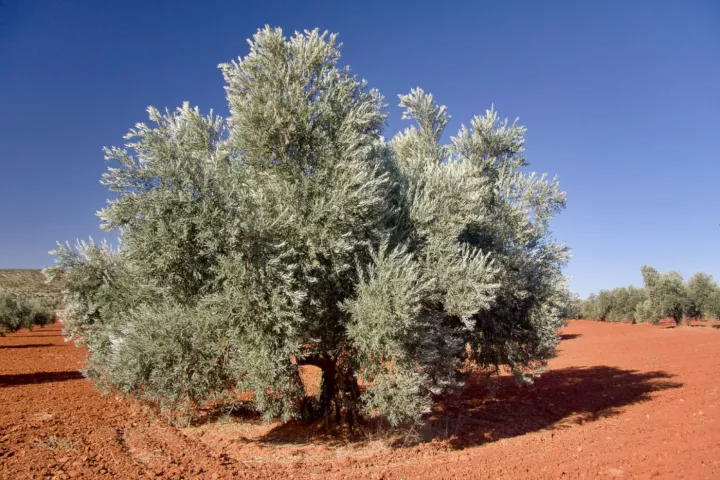
La mineralizzazione della sostanza organica è spesso sufficiente a compensare le perdite di azoto dovute a raccolta e potatura dell'olivo. La fertilizzazione con azoto porta a un incremento dell’immobilizzazione dell’azoto nella sostanza organica del suolo
12 aprile 2026 | 12:00
L'arca olearia
La fine dell'olivicoltura dove l'abbiamo conosciuta
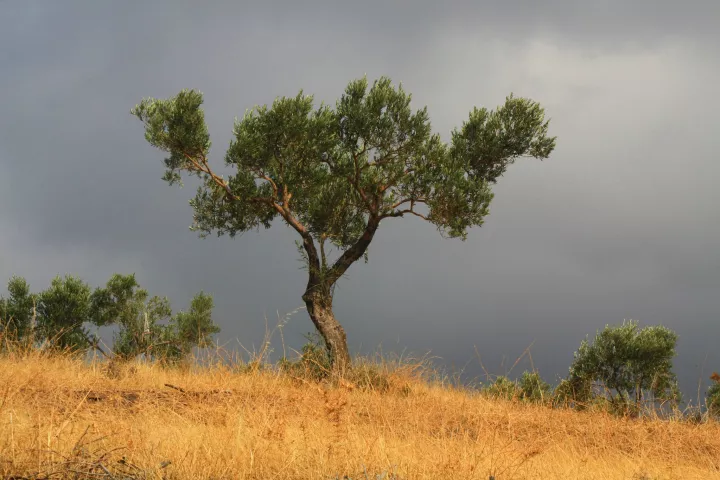
Le condizioni climatiche, in particolare i regimi di temperatura e precipitazioni, determinano fortemente la produttività, la fenologia e la qualità dell'olio. Entro la fine del secolo, l'attuale areale olivicolo sarà 60-34% caldo e molto arido, con un indice di aridità del 72%
11 aprile 2026 | 14:00
L'arca olearia
Mosca dell’olivo e composti chimici dell'oliva: la diversa sucessitibilità in funzione dei composti volatili
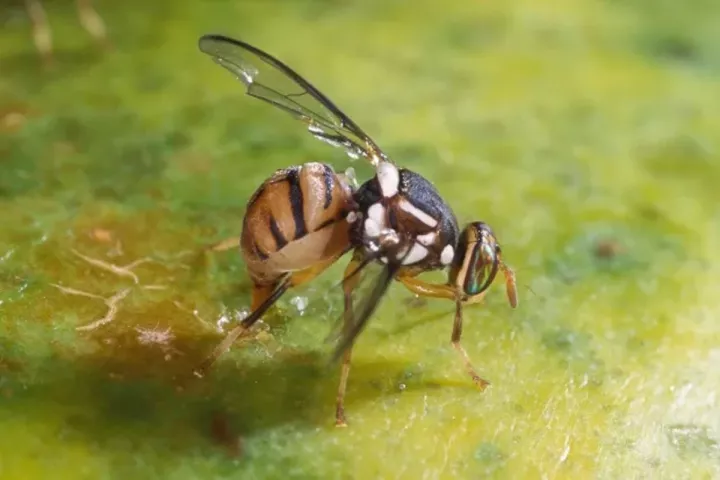
Il comportamento di ovideposizione di Bactrocera oleae è fortemente influenzato dal profilo chimico delle olive sane e che i composti organici volatili rappresentano il gruppo di composti con il maggiore potere esplicativo sull'infestazione
10 aprile 2026 | 16:00
L'arca olearia
L'inerbimento su oliveti in aree collinari: come cambia davvero il suolo
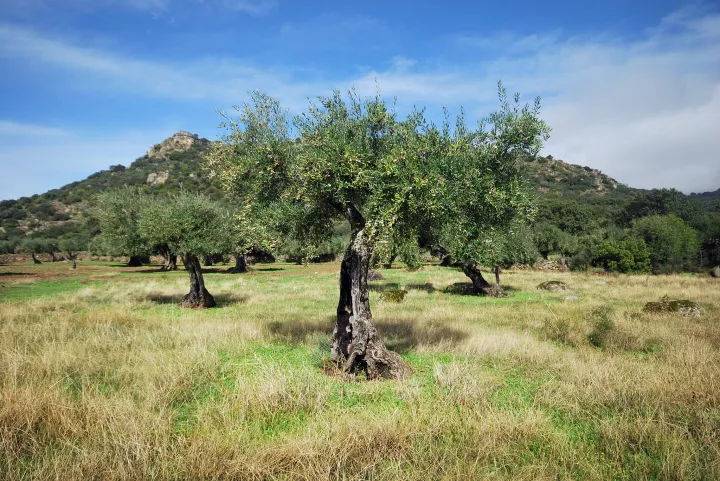
I sistemi olivetati inerbiti hanno favorito il mantenimento e lo sviluppo di un orizzonte A, quello più superficiale ed esplorato dalle radici dell'olivo, più spesso, più fertile, biologicamente attivo e agronomicamente ricco
10 aprile 2026 | 15:00
L'arca olearia
Olio extravergine di oliva, ecco come cambia dopo l’apertura della bottiglia
Uno studio recente mostra che polifenoli, profilo aromatico e stabilità sensoriale dell’olio extravergine di oliva evolvono rapidamente durante il consumo domestico quotidiano, con implicazioni concrete per qualità percepita, shelf life reale e valorizzazione commerciale
10 aprile 2026 | 14:00
L'arca olearia
Analisi tecnico-economica di un sistema ibrido fotovoltario e biomassa per il frantoio
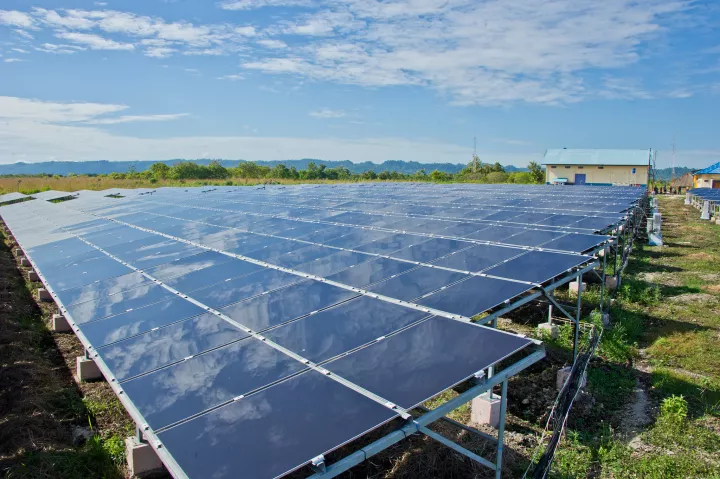
Un impianto esclusivamente fotovoltaico, ad esempio, può contribuire in modo importante al bilancio annuale, ma fatica a seguire i picchi di carico tipici del periodo di trasformazione. L’integrazione con una fonte programmabile come la biomassa consente di allineare meglio produzione e domanda. Ecco come e quando conviene
10 aprile 2026 | 13:00