Bio e Natura
NO BIRD FLU RISK FOR CONSUMERS FROM PROPERLY COOKED POULTRY AND EGGS
FAO/WHO say good hygiene for safe preparation of poultry essential
06 dicembre 2005 | T N
Chicken and other poultry are safe to eat if cooked properly, according to a joint statement by FAO and the World Health Organization (WHO) issued to national food safety authorities. However, no birds from flocks with disease should enter the food chain.
FAO/WHO made the statement to clarify food safety issues in relation to the current bird flu crisis. The statement has been issued through the International Food Safety Authorities Network (INFOSAN) and is available in six languages.
In areas where there is no bird flu outbreak in poultry, there is no risk that consumers will be exposed to the virus via the handling or consumption of poultry and poultry products.
Cooking of poultry (e.g. chicken, ducks, geese, turkeys and guinea-fowl) at or above 70° Celsius throughout the product, so that absolutely no meat remains raw and red, is a safe measure to kill the H5N1 virus in areas with outbreaks in poultry, FAO/WHO said. This ensures that there is no active virus remaining if the live bird had been infected and had mistakenly entered the food chain. To date, there is no epidemiological evidence that people have become infected after eating contaminated poultry meat that has been properly cooked.
Poultry
From the information currently available, a large number of confirmed human cases acquired their infection during the home slaughtering and subsequent handling of diseased or dead birds prior to cooking. FAO and WHO emphasize that in the process of killing and preparing a live bird for food, slaughtering poses the greatest risk of passing the virus from infected or diseased birds to humans.
Most strains of avian influenza virus are mainly found in the respiratory and gastrointestinal tracts of infected birds, and not in meat. However, highly pathogenic viruses, such as the H5N1 strain, spread to virtually all parts of an infected bird, including meat. Proper cooking at temperature at or above 70°C in all parts of the product will inactivate the virus.
When a diseased bird is slaughtered, defeathered and eviscerated, virus from that bird can transfer to humans through direct contact. Infected poultry excrete virus in their secretions and faeces. Exposure might also occur when the virus is inhaled through dust and possibly through contact with surfaces contaminated with the virus.
In areas where marketing of live birds is common, the practices of home slaughtering, defeathering, and eviscerating increase the exposure to potentially contaminated parts of a chicken. These practices therefore result in a significant risk of infection in areas with outbreaks in poultry.
It is not always possible to differentiate infected and non-infected birds in outbreak areas. Some avian species, such as domestic ducks, may harbour the virus without displaying symptoms. Therefore, people need to be fully informed about preventive measures, including the use of protective equipment. The practice of slaughtering and eating of infected birds, whether diseased or already dead, must be stopped, FAO and WHO warn. These birds should also not be used for animal feed.
Even in areas or countries where outbreaks are currently occurring, the likelihood of infected poultry entering an industrialized slaughtering and processing chain, and eventually being marketed and handled by a consumer or a restaurant worker, is considered to be very low, FAO/WHO said. Good hygienic practices during preparation and cooking poultry at temperatures of 70°C or above will further contribute to the safety of cooked poultry meat.
Proper vaccination of domestic poultry is considered to be a useful tool as part of an overall integrated strategy for the control of HPAI. It must be implemented in accordance with existing standards and procedures for vaccination. With appropriate monitoring programs in place, vaccinated poultry can enter the food chain without particular risk for the consumer.
Eggs
Highly pathogenic avian influenza virus can be found inside and on the surface of eggs laid by infected birds. Although sick birds will normally stop producing eggs, eggs laid in the early phase of the disease could contain viruses in the egg-white and yolk as well as on the surface of the shell.
Proper cooking inactivates the virus present inside the eggs. Pasteurization used by industry for liquid egg products is also effective in inactivating the virus.
Eggs from areas with outbreaks in poultry should not be consumed raw or partially cooked (i.e., with runny yolk), FAO/WHO advise. To date, there is no epidemiological evidence to suggest that people have been infected with avian influenza by consumption of eggs or egg products.
Origin: FAO
Potrebbero interessarti
Bio e Natura
Formaggi e latte hi-tech, ecco cosa dice davvero la ricerca
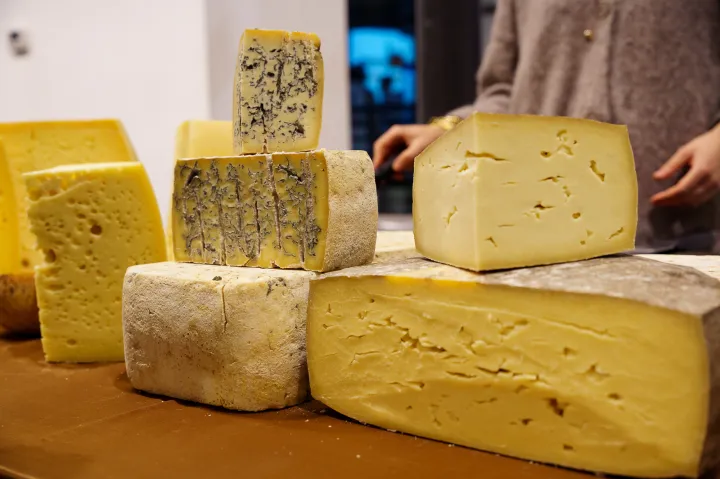
Latte ottenuto con fermentazione di precisione e carne coltivata sono tecnologie biologicamente possibili, ma secondo uno studio presentato dall’Università Cattolica restano aperte importanti questioni su efficienza produttiva, sostenibilità, sicurezza e valore nutrizionale. Il confronto con latte e formaggi tradizionali
09 ottobre 2026 | 11:00
Bio e Natura
Sui cereali la stretta del clima e della logistica riaccende i prezzi: il grano torna sotto osservazione
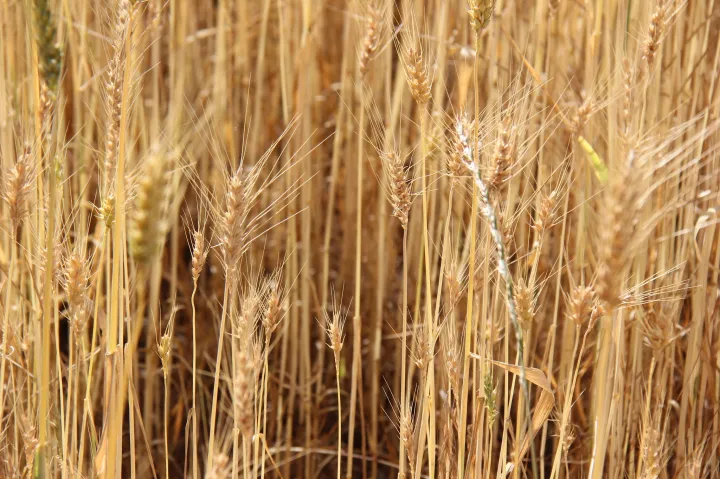
La FAO prevede per il 2026 un raccolto mondiale di cereali pari a 2,979 miliardi di tonnellate, il 2,1% in meno rispetto al record del 2025. In Italia il frumento duro si muove già su valori superiori a 240-280 euro/t. Nel medio termine il mercato appare orientato a una maggiore volatilità
08 ottobre 2026 | 16:00
Bio e Natura
Colture legnose, la superficie mondiale raggiunge 105 milioni di ettari
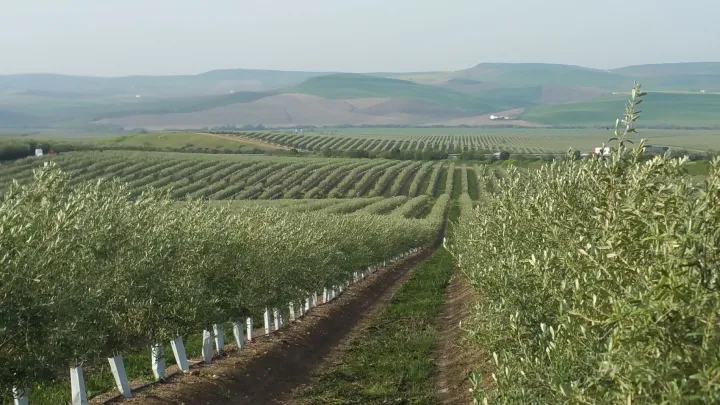
Dal 2022 la superficie dei principali coltivi legnosi è cresciuta del 43,7%. Cambia anche il modello produttivo: i sistemi intensivi e ad alta densità superano per la prima volta quelli tradizionali, mentre aumenta l’interesse di fondi e investitori
02 ottobre 2026 | 12:00 | Vilar Juan
Bio e Natura
Lieviti per la birra analcolica: più aroma e meno alcol

Undici ceppi di lievito sono stati valutati per capire quali siano più adatti a produrre birre analcoliche con profili aromatici distintivi. La scelta del lievito può diventare uno strumento di progettazione dello stile, non soltanto un mezzo per limitare la produzione di etanolo
02 ottobre 2026 | 10:00
Bio e Natura
Un metodo più semplice per misurare il fosforo del suolo e capire il ruolo dei microrganismi
Un team internazionale ha semplificato una tecnica per quantificare il fosforo legato al DNA nei terreni. Il parametro, pur rappresentando solo una piccola quota del fosforo organico, è strettamente associato alla biomassa microbica e potrebbe aiutare a comprendere meglio la disponibilità dei nutrienti per le piante
01 ottobre 2026 | 14:00
Bio e Natura
Le api regine possono trasferire i pesticidi nelle uova per liberarsene
Documentata per la prima volta nelle api mellifere un meccanismo di “maternal offloading”: la regina può accumulare gli inquinanti e trasferirne una parte nelle uova. Una strategia di detossificazione che potrebbe trasformarsi in un rischio per la generazione successiva
30 settembre 2026 | 15:00