Mondo
WORLD TEA PRODUCTION REACHES NEW HIGHS
World tea production continued to reach new highs in 2004, when output grew by 2 percent to reach an estimated 3.2 million tonnes
16 luglio 2005 | C. S.
World tea production continued to reach new highs in 2004, when output grew by 2 percent to reach an estimated 3.2 million tonnes, according to an FAO report prepared for the Intergovernmental Group on Tea meeting in Bali (20-22 July 2005) to review the current world tea market and its medium-term outlook.
The expansion in production was due mainly to the increases recorded in Turkey, China, Kenya, Malawi, Sri Lanka and Indonesia. The growth in output from these countries more than offset declines in other major producing countries, including India and Bangladesh.
In China, tea output for 2004 approached the 800 000 tonnes milestone as policy initiatives to promote production and trade of tea began to have an impact on the sector.
In Sri Lanka, production increased slightly by 1.3 percent to 309 000 tonnes in 2004, reflecting the recovery from crop losses after devastating floods in low grown tea areas of the island in 2003. In Indonesia, where a 1.2 percent growth was recorded, output reached 170 000 tonnes in 2004.
In Turkey, production was reported to have expanded dramatically in 2004 as output increased by 32 percent to reach around 205 500 tonnes, due to higher yields.
Tea production in Kenya increased by more than 11 percent in 2004 to reach 328 000 tonnes, as a result of favourable weather in most of the growing regions and the expansion in processing capacity. Malawi also reported a significant increase of 19 percent in tea production with output reaching 50 000 tonnes.
In India, tea production declined by 4.3 percent to reach around 820 200 tonnes due to unfavourable weather conditions and the closure of up to 70 tea gardens in Assam.
Exports and imports
World tea exports increased by 4.4 percent in 2004 to reach 1.47 million tonnes, as shipments from all major exporting countries increased during the year.
Kenya was the largest exporter, once more surpassing Sri Lanka. The 8.9 percent increase in exports from Kenya brought total shipments for the year to almost 293 000 tonnes. A similar increase (8.9%) was also recorded by Indonesia.
Tea exports from China expanded by more than seven percent to reach 282 000 tonnes, and were dominated by green tea, which accounted for more than 75 percent of its total exports.
World net tea imports continued to increase in 2004, by 1.5 percent, reaching 1.42 million tonnes. This trend reflected the increases in traditional developed country markets of the European Community (an increase of 2.4 percent), the United States (5.3 percent) and Japan (2 percent), where imports reached 215 000 tonnes, 99 000 tonnes and 56 000 tonnes, respectively.
Most of the growth in these markets is reportedly in response to promotional efforts on the health benefits of tea consumption. Available evidence from medical research suggests that moderate consumption of tea offers protection against heart and blood vessel disease, some cancers, and bacterial infections.
Prices
In 2004, tea prices opened at US$1.56 per kg in January and closed at US$1.73 per kg in December, reflecting an improvement on the demand side, according to FAO.
A recent study on the market evolution between 1993/1995 and 2001/2003 indicated that, out of 27 agricultural commodities, tea showed the second lowest variability in prices: 2% decline compared to 39% for cocoa and 38% for coffee.
"Recent developments in the world tea market suggest that the major players have succeeded in bringing the market towards balance," said David Hallam, Chief, FAO Raw Materials, Tropical and Horticultural Products Service.
"Demand has been stimulated in the major producing countries themselves, notably for black tea, and supply has been tailored to market opportunities," Mr. Hallam added.
Origin: FAO
Potrebbero interessarti
Mondo
Etichetta a semaforo sull'olio di oliva: i produttori australiani dicono no

L’associazione dei produttori australiani critica il sistema di etichettatura nutrizionale, ritenuto incapace di valorizzare adeguatamente le proprietà dell’olio extravergine d’oliva. Sul tavolo la richiesta di escludere gli oli vegetali dal modello o di rivederne profondamente i criteri di valutazione
09 giugno 2026 | 11:00
Mondo
Olio di oliva e microbiota intestinale, i composti fenolici sono antimicrobici selettivi

L’Università di Jaén vince l’VIII Premio Castillo de Canena. Lo studio guidato dalla professoressa Magdalena Martínez Cañamero dimostra come i composti fenolici dell’extravergine favoriscono i batteri benefici e contrastando quelli legati alle infiammazioni
09 giugno 2026 | 09:00
Mondo
Olivicoltura di montagna, le soluzioni intelligenti per un futuro sostenibile
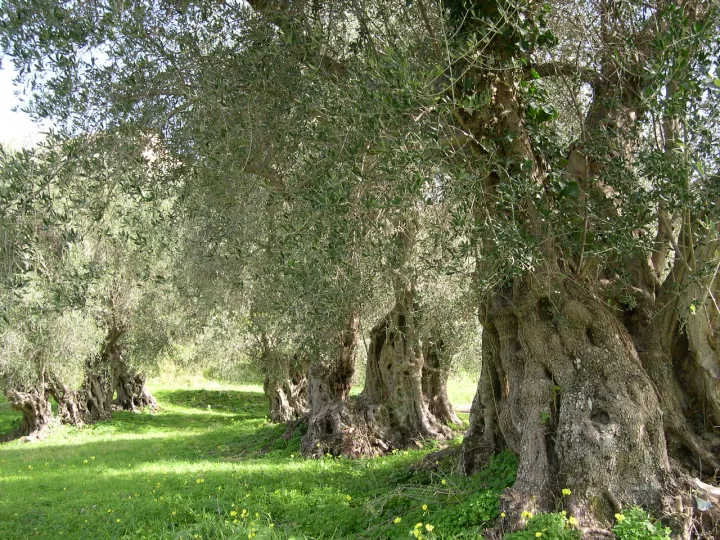
Droni per i trattamenti fitosanitari, robot multifunzionali e macchinari avanzati per la gestione delle potature: queste alcune delle innovazioni presentate durante la giornata tecnica "Soluzioni Intelligenti per la Gestione dell'Oliveto di Montagna"
07 giugno 2026 | 09:00
Mondo
In Spagna diminuiscono le scorte di olio di oliva ad aprile

Secondo l’ultimo rapporto mensile del Ministero dell’Agricoltura spagnolo, nei primi sette mesi della campagna 2025/26 il settore oleario mostra una crescita moderata rispetto all’anno precedente, pur con segnali di rallentamento. Le esportazioni tengono, il mercato interno resta stabile
06 giugno 2026 | 09:00
Mondo
L'olio Igp Jaen contro la speculazione sui prezzi dell'extravergine
L’organismo di tutela denuncia la diffusione di previsioni eccessivamente ottimistiche sulla disponibilità di olio e invita alla prudenza. Produzione sotto osservazione, domanda solida e costi in aumento per gli olivicoltori
04 giugno 2026 | 15:00
Mondo
Export da record di olio di oliva dal Marocco verso la Spagna
Nel primo bimestre del 2026 le importazioni iberiche da Rabat sono balzate da 55 a 3.000 tonnellate. Il Regno di Mohamed VI diventa il quarto fornitore di Madrid, approfittando dei prezzi competitivi e delle agevolazioni Ue
04 giugno 2026 | 10:00